

Many people start a business with one goal in mind: freedom.
Freedom from a 9–5 job.
Freedom over their time.
Freedom to earn more.
This is especially true for many small business owners—whether you run a nail salon, restaurant, or any service-based business.
But after some time, reality often looks very different.
Instead of feeling free, many business owners find themselves:
- Working longer hours than before
- Constantly busy
- Yet not seeing real growth or profit
So what’s going wrong?
❗ Why many businesses stay busy—but not profitable
One of the biggest reasons is simple:
👉 They don’t understand or track the right numbers
Many business owners operate based on feelings:
- “It feels busy today”
- “This month seems slower”
- “Last weekend felt better than usual”
But feelings are not data.
Without clear numbers, it’s almost impossible to answer critical questions like:
- Is my business actually profitable?
- Which services make the most money?
- Where am I overspending?
- What should I improve or change?
👉 This is why financial management in business is so important.
🎯 Profitability is not just about revenue
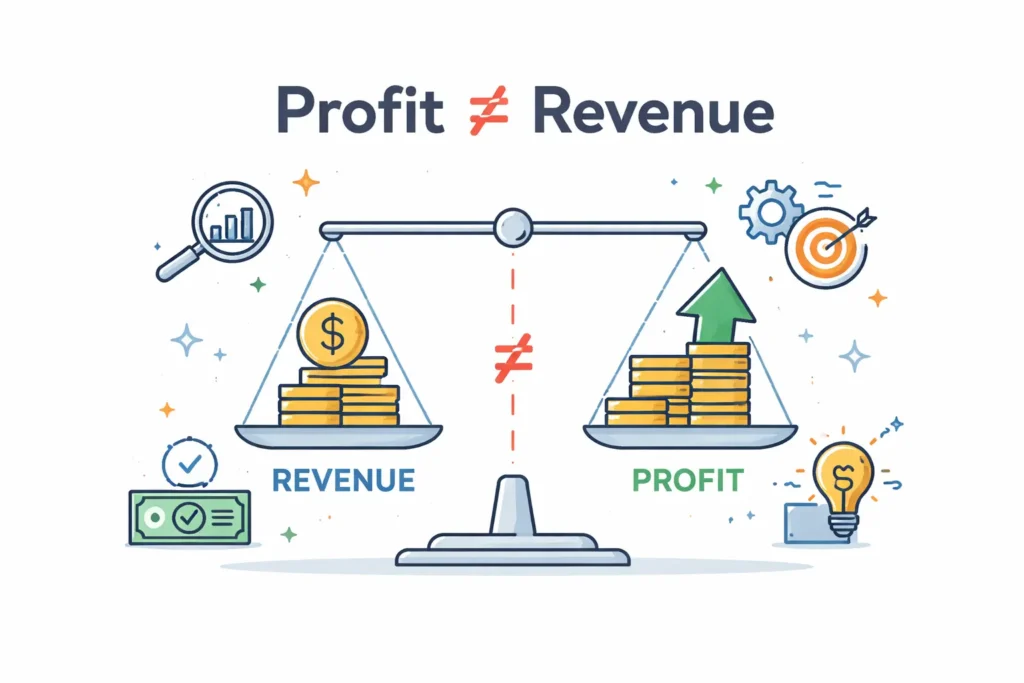
A common misconception is:
👉 “If I have more customers and higher revenue, my business is doing well.”
But in reality:
👉 Revenue does NOT equal profit
A sustainable business needs two things:
- Efficient operations
- Consistent growth
- If you operate well but don’t grow → you plateau
- If you grow without control → you lose money
👉 To balance both, you need to understand key business metrics.
📊 5 key numbers that drive a profitable business
These five numbers will help you:
- Understand your business clearly
- Make better decisions
- Improve long-term profitability
1. Customer Acquisition Cost (CAC)
👉 How much does it cost to get one new customer?
Example:
- You spend $200 on advertising
- You get 40 customers
👉 CAC = $5 per customer
This number is critical.
When you understand CAC:
- Marketing becomes predictable
- You can plan your growth
- You can scale with confidence
Without it:
- Every dollar spent feels uncertain
- You risk overspending without results
2. Customer Lifetime Value (LTV)
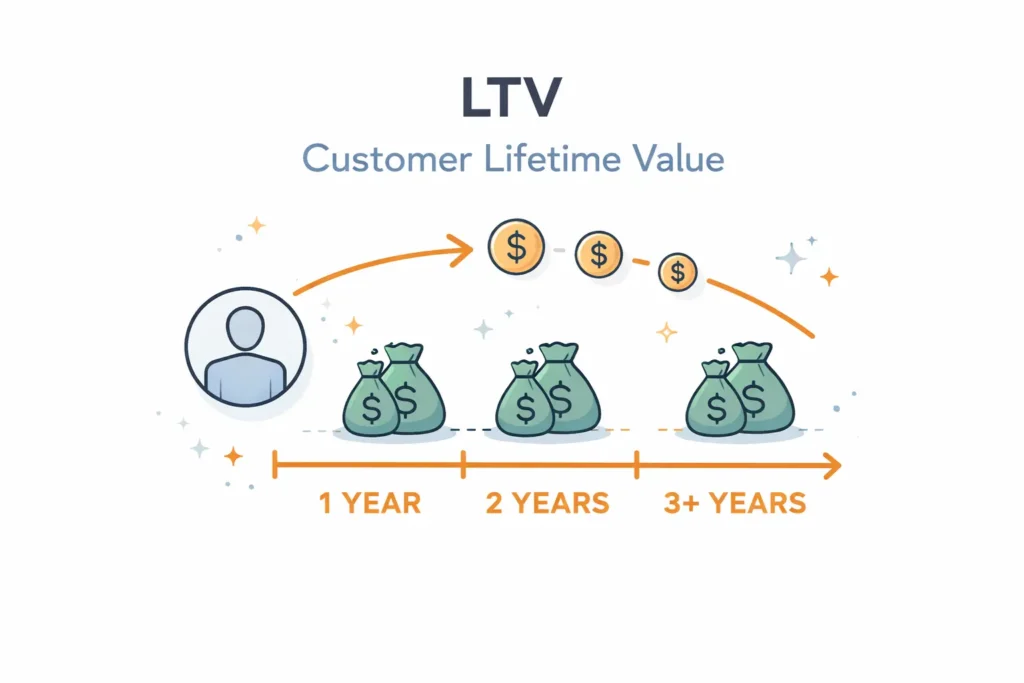
👉 How much is a customer worth over time?
For example (nail salon):
- $50 per visit
- ~$1,200 per year
- Over 3–5 years → $3,600+
👉 A customer is NOT just a single transaction
👉 It’s a long-term relationship
When you understand LTV:
- You focus more on customer experience
- You invest more confidently in marketing
- You stop underestimating your customers’ value
3. Payback Period
👉 How long does it take to recover your cost?
Example:
- You spend $20 to acquire a customer
- They pay $50 on their first visit
👉 You recover your cost immediately → great
But if:
- They only spend $15 initially
👉 You haven’t recovered your cost yet
This directly impacts:
👉 Cash flow
A business can:
- Be profitable “on paper”
- But still struggle financially
👉 The shorter your payback period, the healthier your business
4. Customer Retention Rate
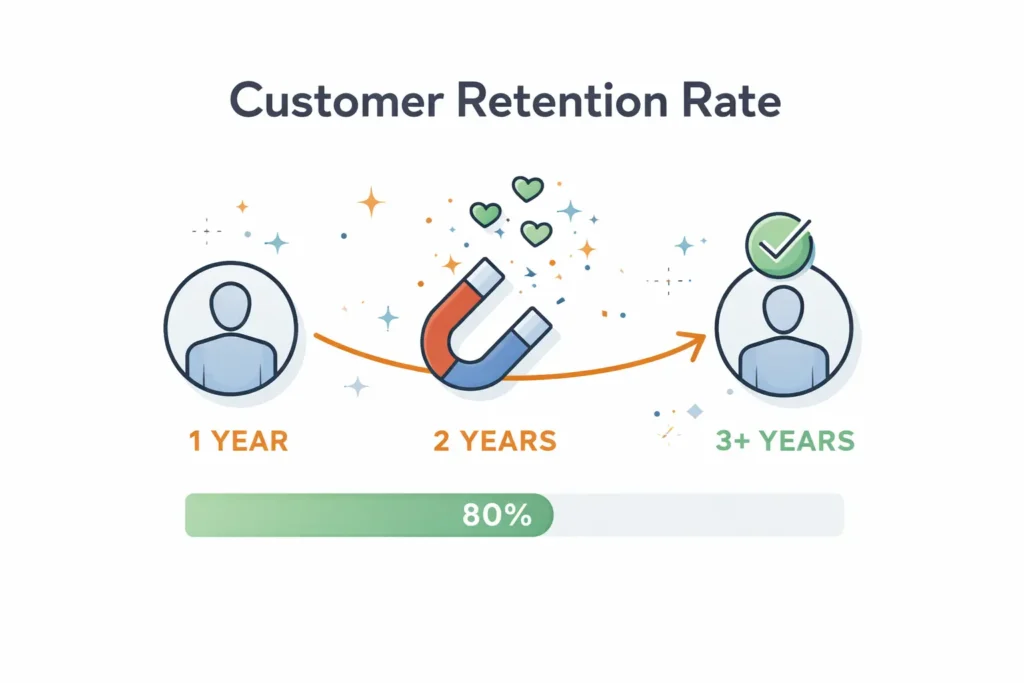
👉 What percentage of customers come back?
Example:
- 100 new customers
- Only 30 return
👉 Low retention = unstable business
This leads to:
- Constant need for new customers
- Higher marketing costs
- Less predictable revenue
On the other hand:
- If 80–90% return
👉 Your business becomes:
- More stable
- More profitable
- Easier to manage
👉 Key principle:
It is always cheaper to retain customers than to acquire new ones
5. Return on Investment (ROI)
👉 How much are you getting back for what you spend?
Examples:
- Hiring staff
- Running ads
- Expanding your space
The real question:
- Are profits increasing proportionally?
- Or are you just working more without better results?
ROI helps you:
- Evaluate decisions objectively
- Avoid wasting money
- Focus on what actually drives profit
🧠 From working hard to working strategically
Many business owners:
- Work extremely hard
- Stay busy every day
- But don’t see real progress
Not because they lack effort
👉 But because they are not tracking the right things
Once you start:
- Measuring
- Tracking
- Analyzing
👉 Everything becomes clearer:
- You understand your business better
- You make better decisions
- You grow more sustainably
🚀 Final thoughts: How to build a profitable business
If you want to build a profitable business, you cannot rely on intuition alone.
You need to:
✔ Understand your numbers
✔ Manage your business finances properly
✔ Make decisions based on data—not feelings
In simple terms:
You can’t improve what you don’t measure
📩 Want to go deeper?
Kennedy is a licensed financial advisor and investment manager in the U.S., working with an SEC-registered firm with tens of millions in client assets.
If you want to:
- Better understand your personal or business finances
- Build a long-term financial strategy
- Improve your investment decisions
👉 You can schedule a free consultation:
https://kennedykhaphan.com/